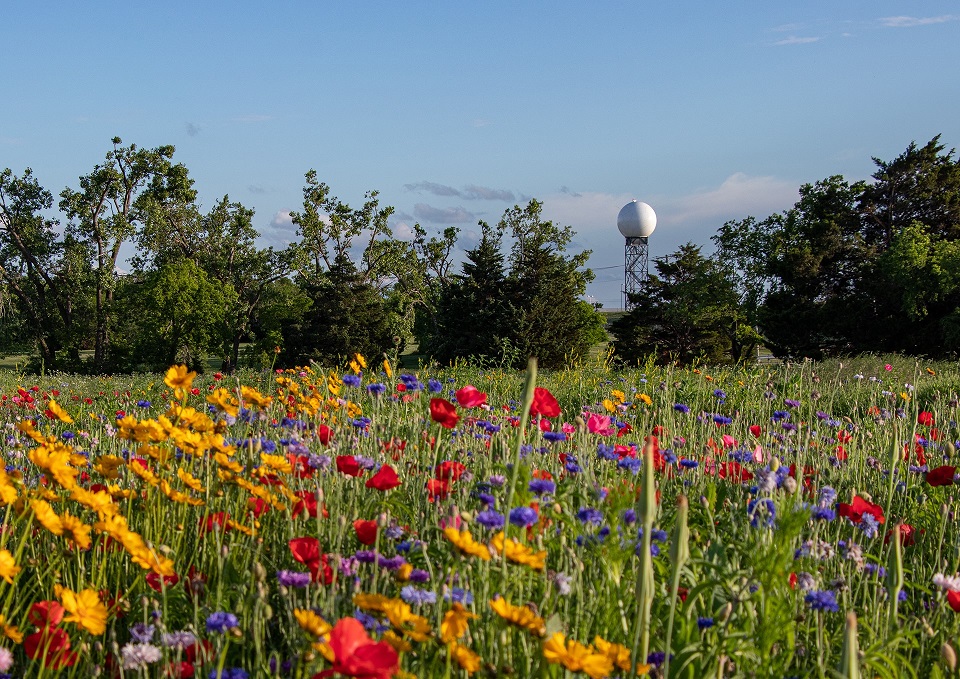
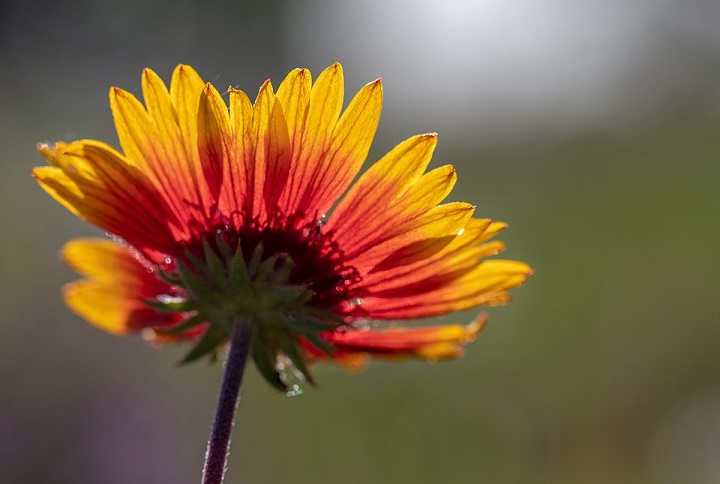
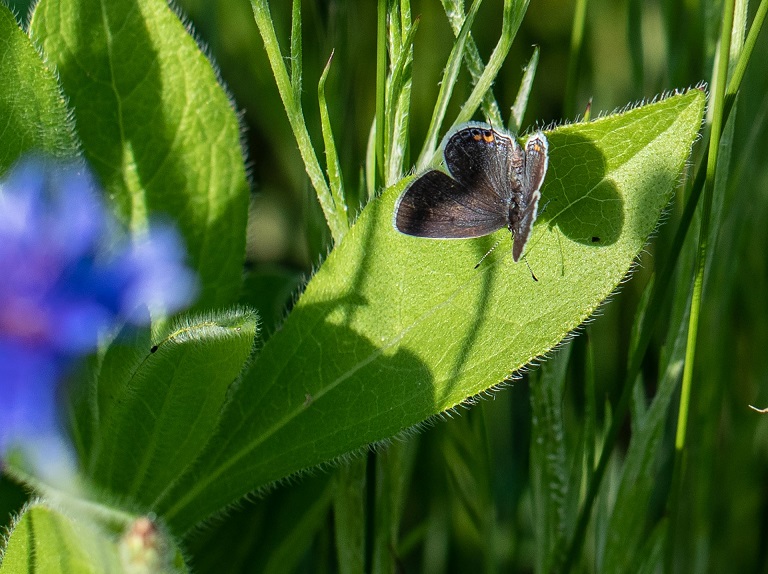
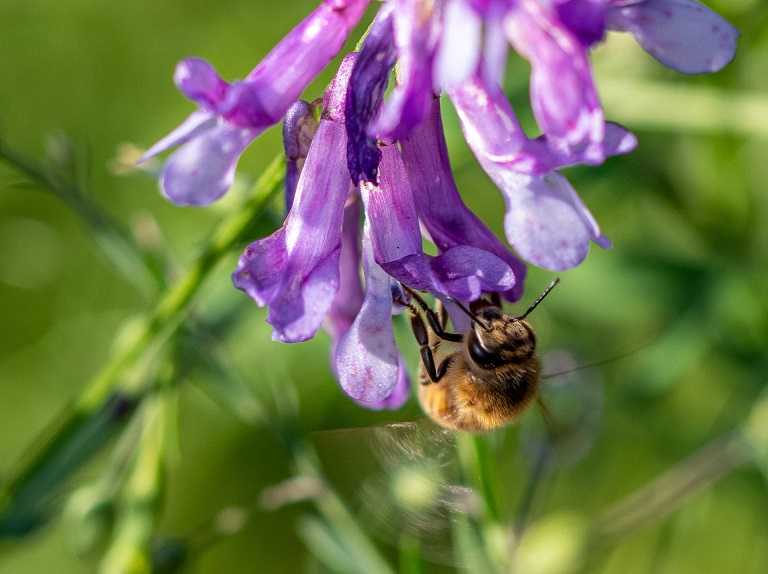
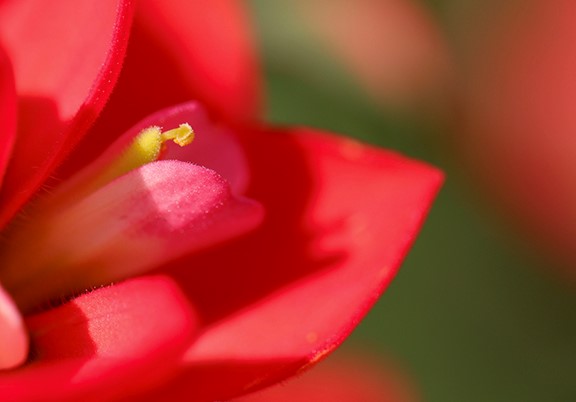
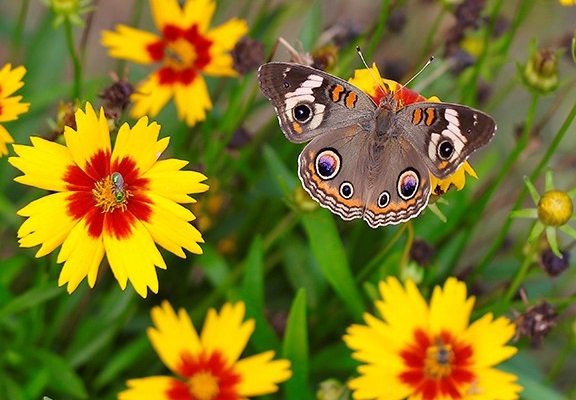
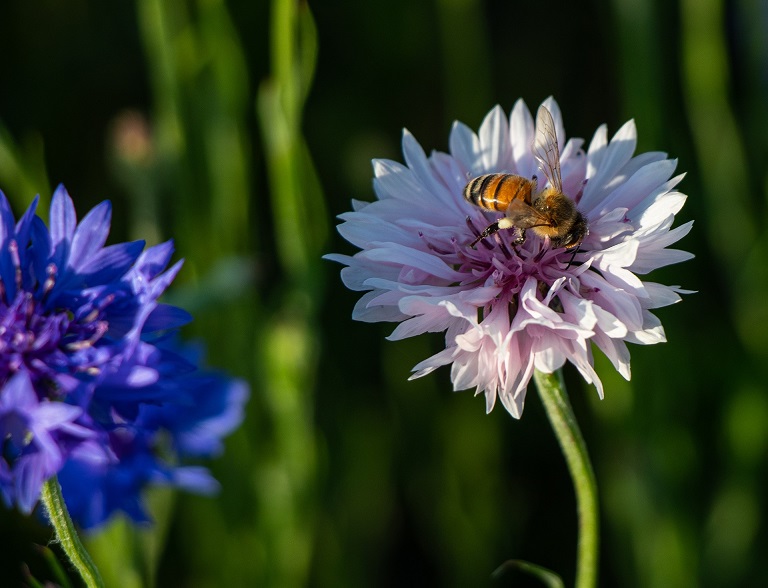
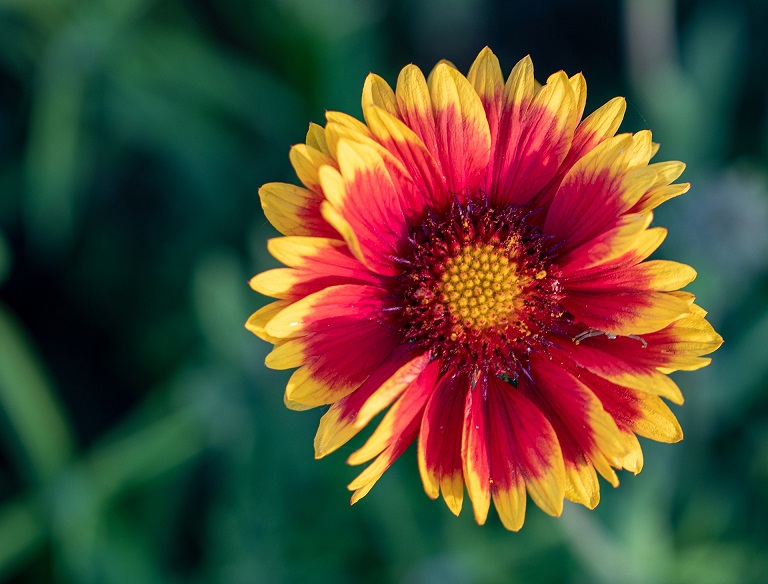
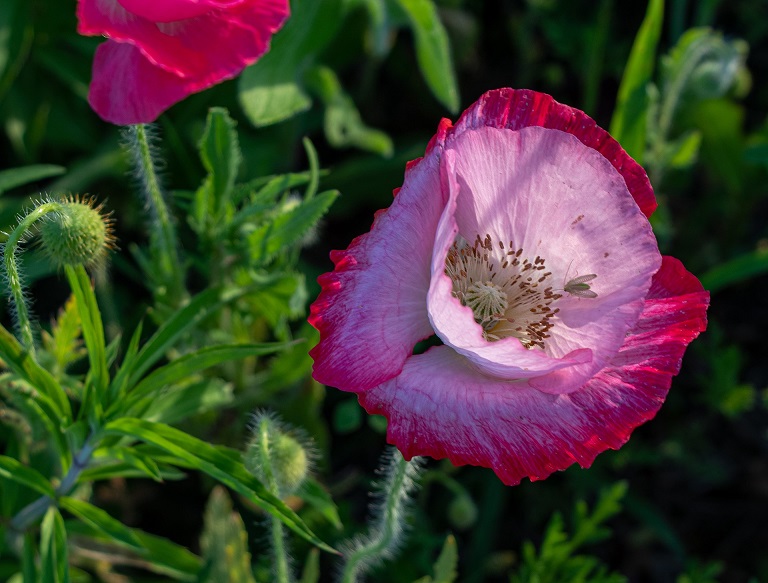
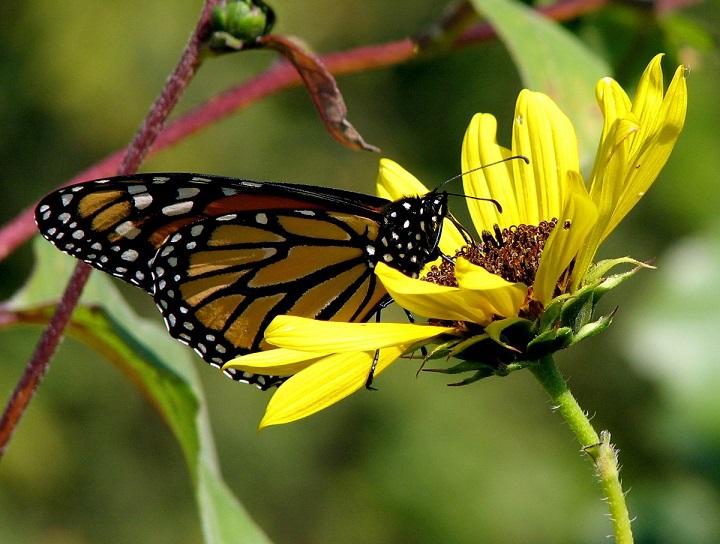
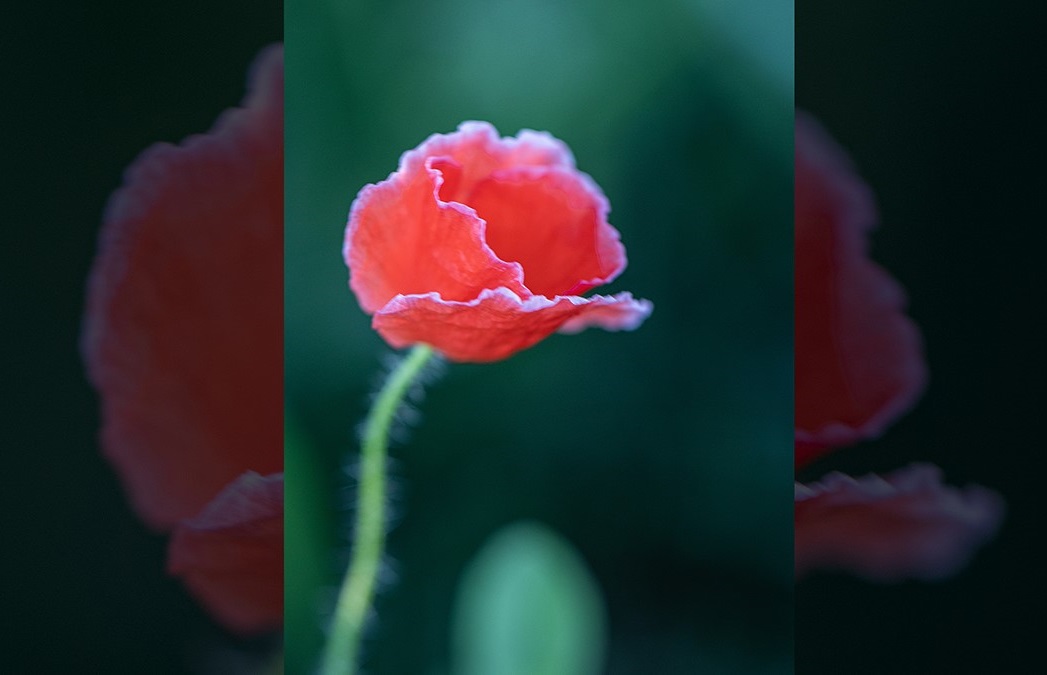
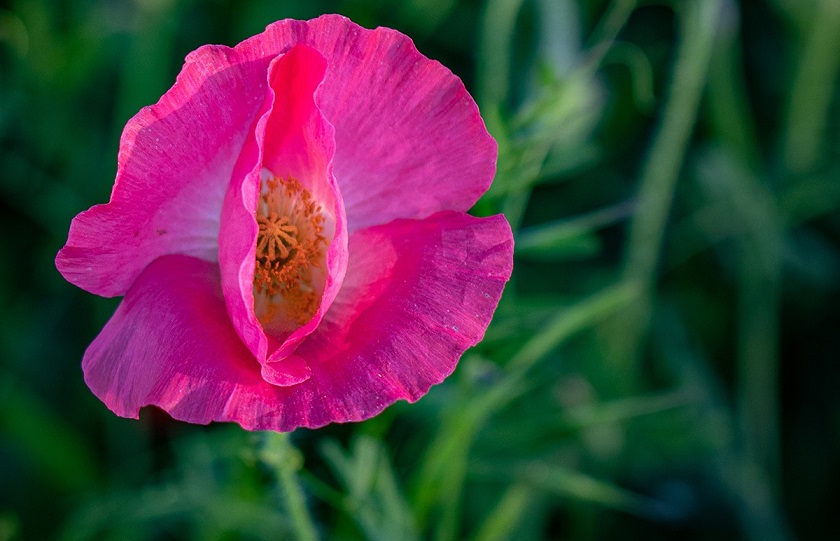
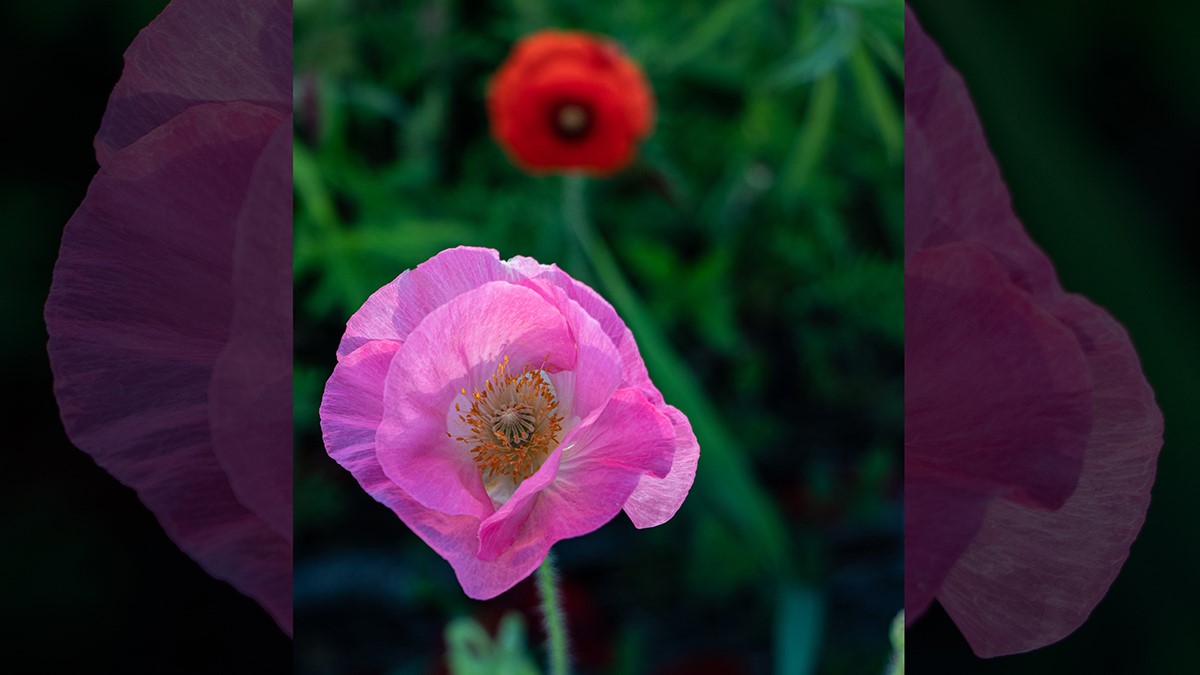
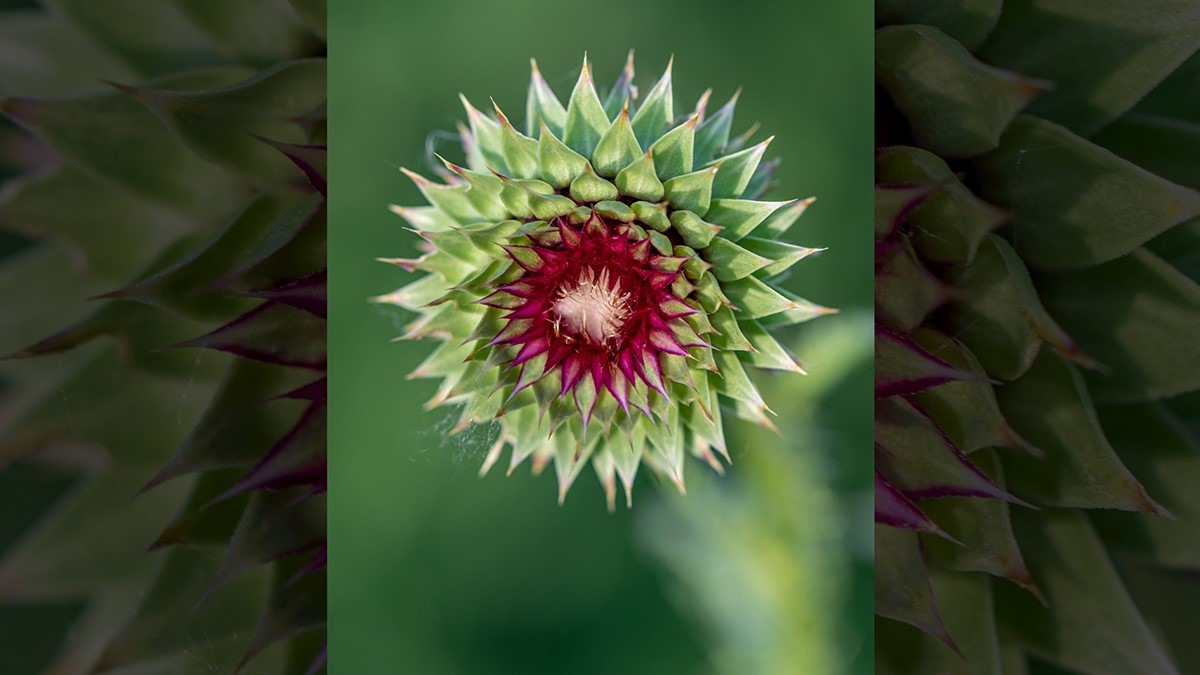
Currently, many employees are still working from home and are not visiting the Aeronautical Center very often. With April showers, the May flowers have returned to our very own Pollinator Habitat. While the blossoms were still fresh, we took some photos of them. Tucked within a long stretch of cloudy days, one evening the sun decided to make an appearance and painted the habitat with light.
For those who may not know where the Pollinator Habitat is, it runs parallel to Quesada Drive between Mike Monroney Boulevard and 64th Street. There is also another plot near Randy Way on the Southern portion of the Center (close to 89th Street). These areas are not highly trafficked, and therefore provide an excellent environment for pollinators.
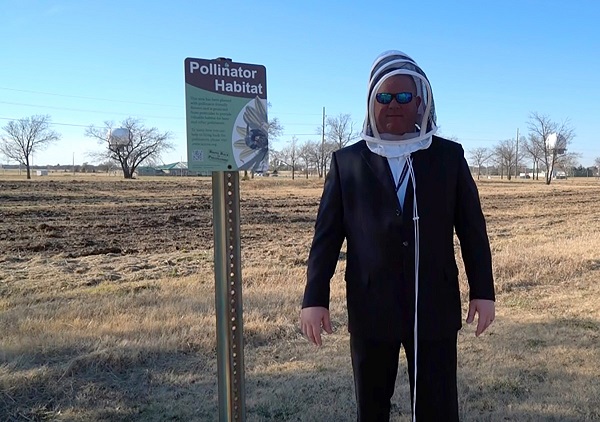
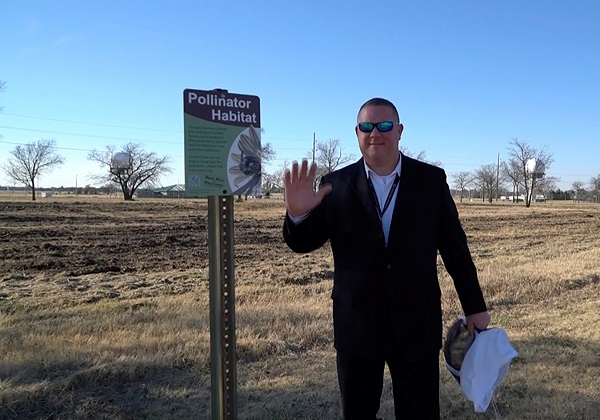
Travis Hildebrand, (AMP-300) Division Manager for the Office of Facility Management was involved with this program back in 2017 and manages an annual maintenance process. As part of a government initiative to promote pollination, Travis states, "I can’t take sole credit for this project. This was a team effort to get this in the ground."
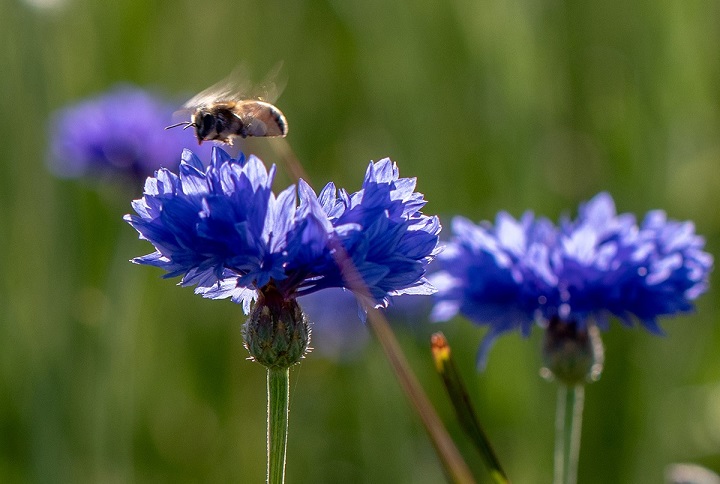
Travis continues, "Over the last few years we have educated ourselves on the program and the benefits that the plots have on plants, flowers, overall agriculture and the environment in the area. We now know that our small plots on the Center are impactful to the Honey Bee, Monarch Butterflies and many other species of insects. We have fielded several positive comments from our employees on Center about the program and now understand the environmental impact our plots make."
The Office of Facility Management (AMP-300) is a world-class, award-winning team with several environmental accomplishments over the years. They continue to push the limits and think outside the box to make sure that they are setting positive examples of how to improve our environment - whether it be reducing electric and gas usage or providing pollinator plots. We will continue to maintain each plot and will ensure that they stay healthy, to provide a positive environmental impact to our area for years to come.
The plots are seeded with a wildflower mix (purchased from BulkWildflowers.com). The Southwest Regional Mix and the All-Perennial Mix has provided the best results in the Oklahoma locale. Though the wildflowers do not always reproduce themselves and need to be re-seeded each season, the plants have come back for the last two years with no maintenance. Some of the most prominent species that are blooming now are: Baby Breath, CA Bluebell, Cosmos, Blue Bonnets, Poppy (Red/Blue), Johnny Jump Ups, Wild Blue Iris, Flax, Black Eyed Susan, Gaillardia, Shasta Daisy, Coreopsis, Coneflower Columbine, Lupine, and Primrose.
Fortunately, the flowers are still in bloom, so if you would like to walk along the sidewalk on Quesada Drive, enjoy the view! It is nice to know that there are FAA Employees trying to get things into the ground as well as safely off the ground.