On Tuesday, June 8th, the Mike Monroney Aeronautical Center (MMAC) hosted an exciting Human Systems Integration (HSI) Summit. This year’s summit was the 4th Annual HSI Summit, and the second to be held virtually. The summit boasted eight speakers from the government, industry, and academia covering the human factors of varied topics, including: remote testing and evaluation, medical challenges with personal protective equipment, using drones to deliver life-saving medicines, improving safety via real-time weather information, how to navigate the onboarding of new high-tech tools in the FAA, Unmanned Aerial System (UAS) & Advanced Air Mobility (AAM) research, and Aeromedical research.
The summit theme, "Remote Technologies and the Human Condition: the Impossible Lift and Human Ingenuity," reflects current issues in aviation safety, and highlights the many ways that individuals from across many disciplines came together, and stepped up to identify risk mitigation strategies, despite the challenges of the global health crisis.
The FAA’s Tony Darnell, Manager of FAA Terminal Automation, and Dr. Carla Hackworth of Aviation Human Factors Research worked together to organize the event. MMAC Deputy Director, Kevin O’Connor, kicked off the day with a Welcome Message, and Mr. Darnell expertly hosted and emceed the summit.
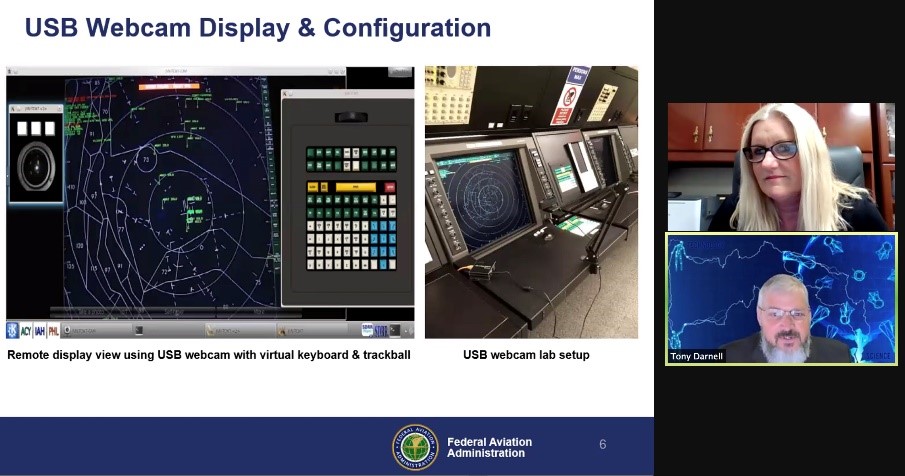
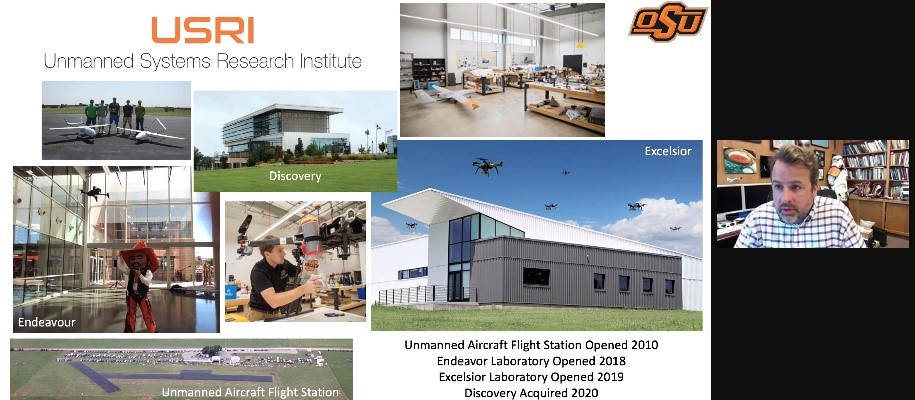
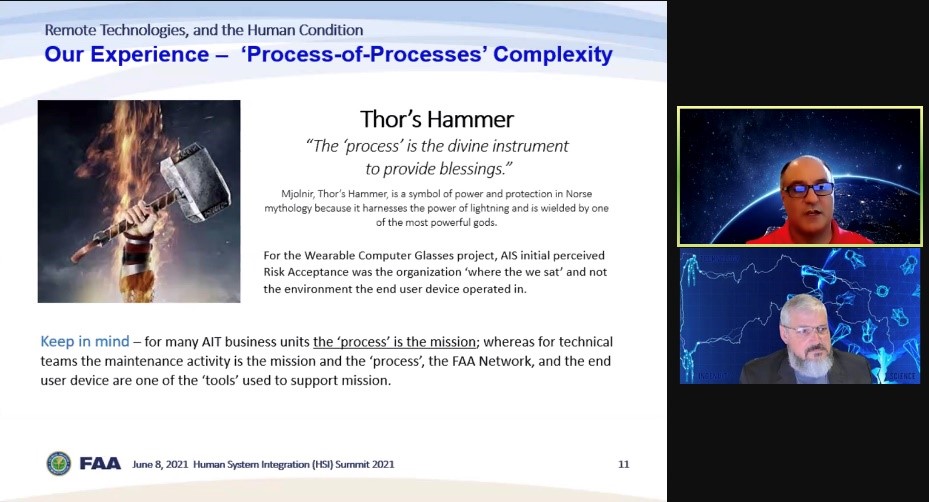
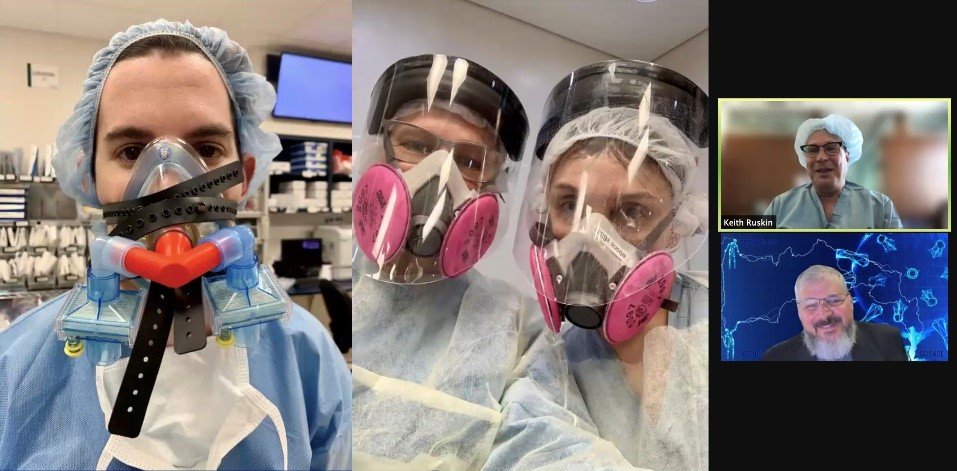
The HSI summit was delivered in two sessions. Patti McNeill, Test and Safety Manager at the FAA’s William J. Hughes Technical Center opened the first session by discussing the newly developed virtual test capabilities for the FAA’s Standard Terminal Automation Replacement System (STARS) Operational Test & Evaluation. Dr. Jamey Jacob, Professor of Mechanical and Aerospace Engineering at Oklahoma State University described issues with integrating unmanned aerial systems and Urban Air Mobility into the National Airspace System and the impact on air traffic control. Wayne Palaia from the William J. Hughes FAA Technical Center described how innovation in the FAA is complex and involves a ’Process-of-Processes.’ Dr. Keith Ruskin, Professor of Anesthesia and Critical Care at the University of Chicago gave a first-hand account as a clinician armed with insight from his aviation experience, as he and his medical colleagues navigated issues with personal protective equipment, risk management, and patient safety.
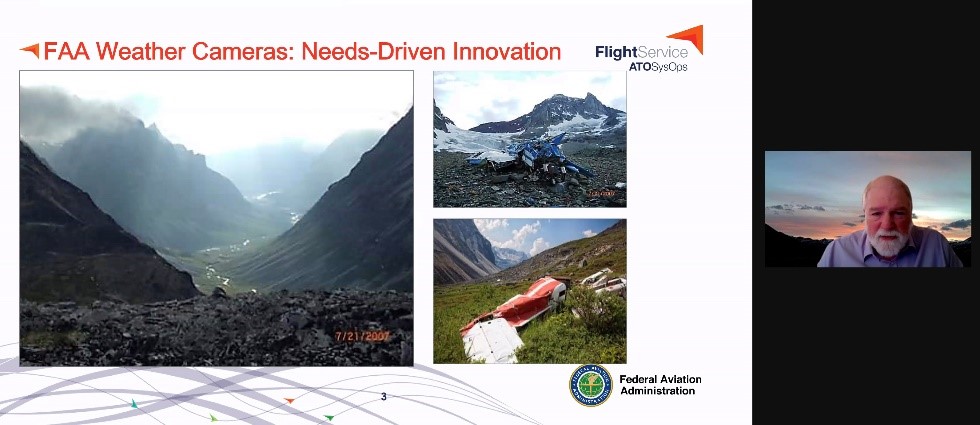
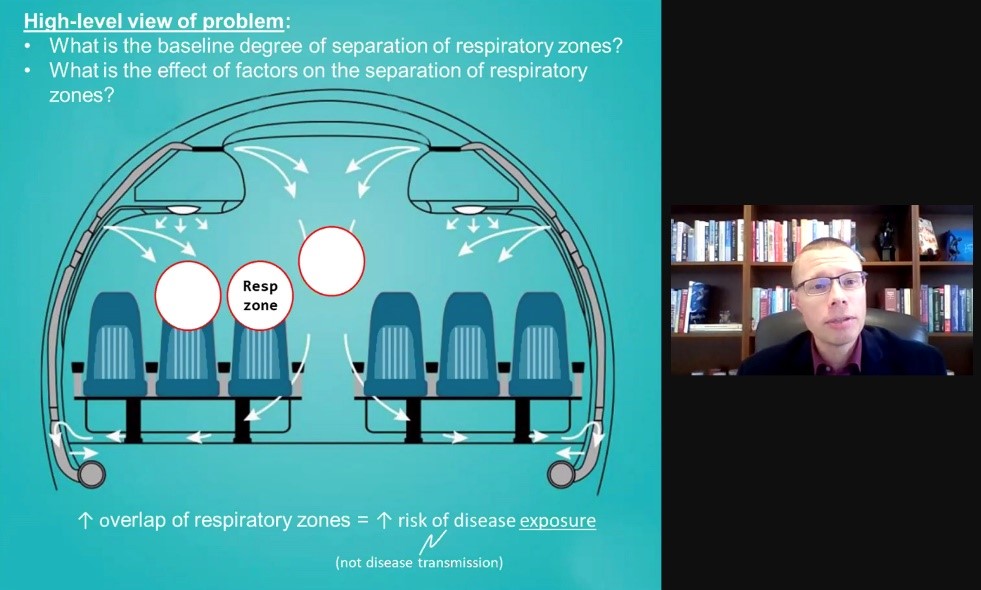
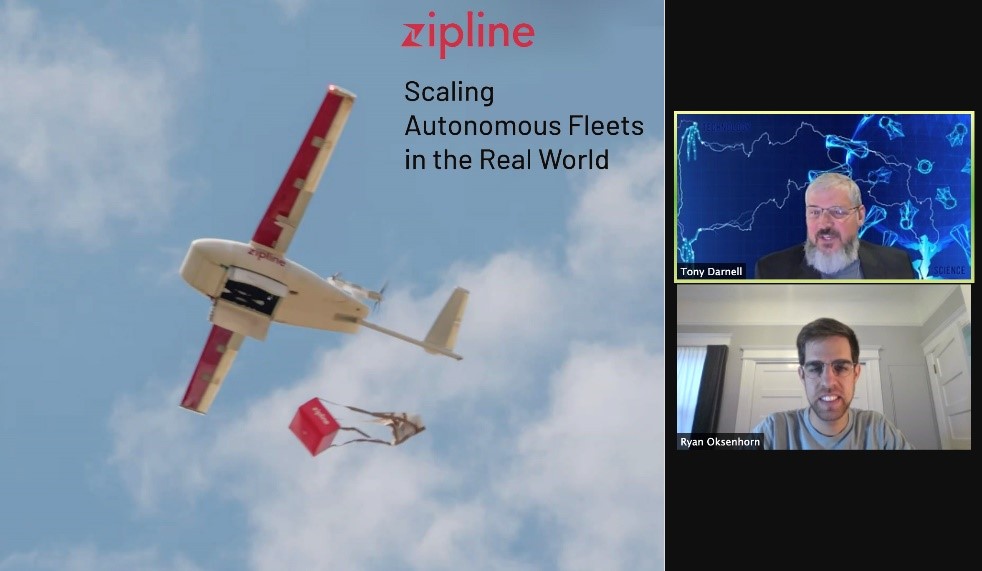
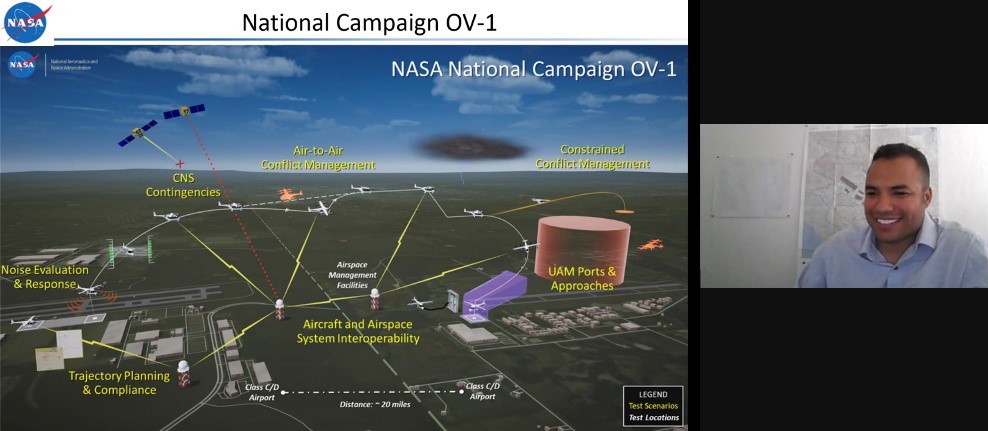
In the second session, attendees heard from Walter Combs, Program Manager for the FAA’s Weather Camera Program shared the great success of the Weather Camera network in enhancing pilot awareness and planning and decision-making. Dr. Anthony Tvaryanas, Manager of the FAA’s Aerospace Medical Research Division described how the FAA recognized a unique opportunity to examine aircraft cabin safety issues during the public health crisis. After that, Ryan Oksenhorn, Zipline Co-founder, described his company’s pioneering supply delivery system, which uses drones (Zips) to deliver critical medical supplies to remote locations. Finally, David Zahn, Principal Investigator of UAM Airspace theory for NASA’s (Sim Labs) provided a UAM research overview, and updates to the Advanced Air Mobility initiative. His presentation covered data that was collected as he flew his helicopter on pre-selected routes in a simulated city, which was built for the project.
The 2021 HSI summit hosted extraordinary speakers who described accounts of innovation, creativity, and tenacity where the impossible lift became possible. Those feats were accomplished by pushing beyond the status quo, retooling where needed, and rising to the challenge. Good news for those who were. Not able to attend, the HSI Summit was recorded. All information will be made available very soon.
Plans are already underway for next year’s summit. Be there in the Spring of 2022. You will not be disappointed!