As the 1960s arrived, we were introduced to Beatlemania, Barbies, ball and egg chairs, some of the coolest cars - ever, and banana seat bikes. That decade also saw the country involved in the Vietnam War as well as a host of political, social and cultural issues that can only be described as turbulent.
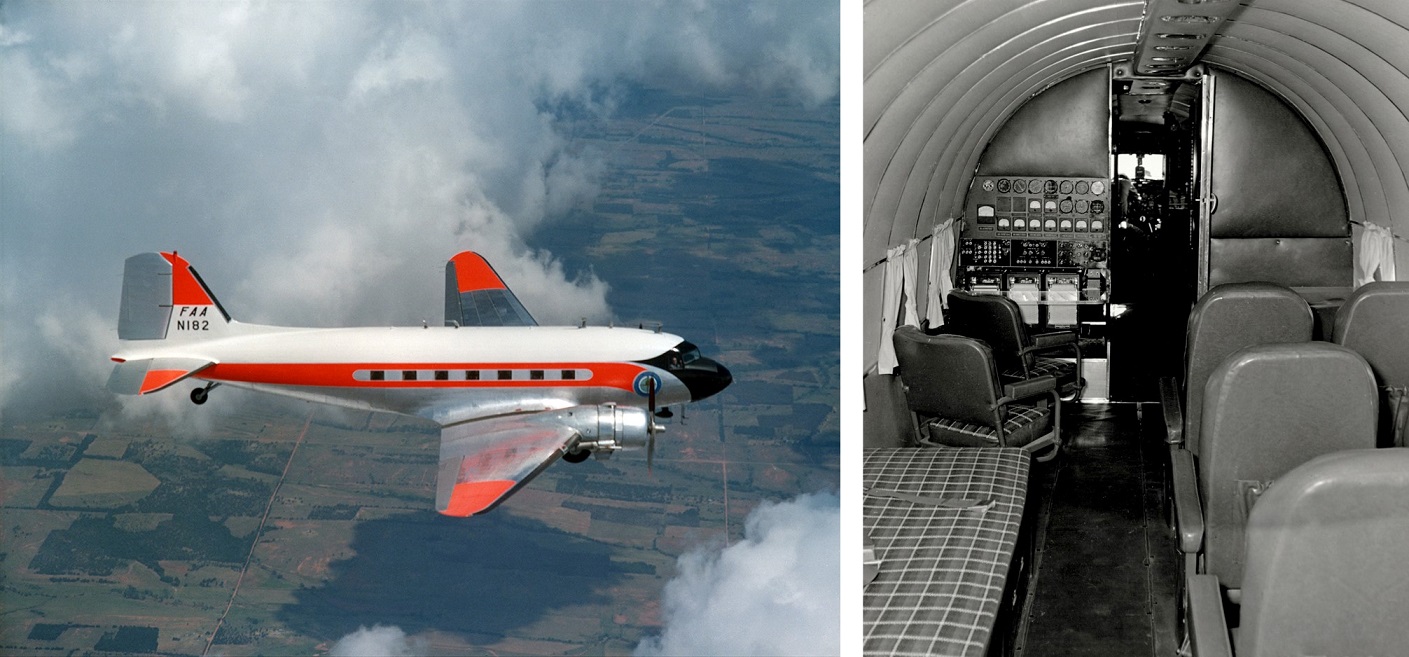
Despite the complicated history of that time, the Aeronautical Center saw many great achievements. On August 28th of 1962, an Executive Order authorized the transfer of flight inspection responsibilities from the Department of Defense (DoD) to the Federal Aviation Administration (FAA).
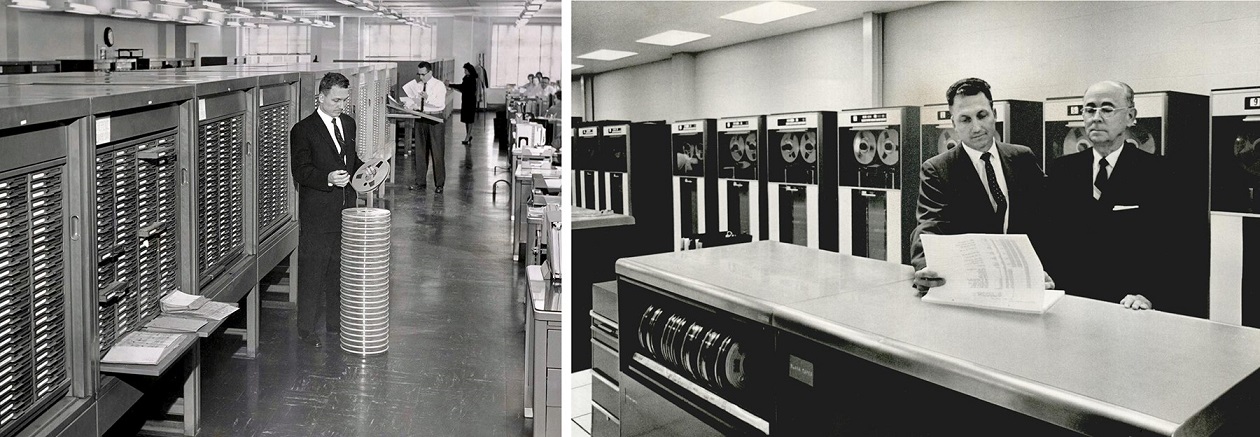
In January of 1963, the FAA began using a new reporting system to capture and report comprehensive data detailing circumstances surrounding system outages at air navigation facilities due to equipment failures.
Initially using punch card accounting machinery to obtain data summaries from some 30,000 reports per month, the FAA transitioned the system to computers. Analysis of the data identified equipment deficiencies, established the basis for equipment modifications, provided a means of evaluating cost/benefit ratios for facility and equipment proposals, and led to an improvement in maintenance productivity.
Around the same time, (1963) Oklahoma native, Geraldyn "Jerrie" Cobb published her autobiography called, "Woman Into Space." She achieved qualifying physiological test results after training for space flight with thirteen other women in a privately funded program that became known as Mercury 13. Though she and twelve other women trained and proved themselves able to endure the rigors of space travel, they were denied the opportunity to complete a space mission. According to congressional rationale, theirs was "just a case of bad timing." A representative from the Office of Manned Spaceflight indicated that a "woman in space program" would likely derail the national effort of the Moon landing program. Astronaut John Glenn reiterated that position and stated, "The agency can’t afford a whole new training program in light of the lunar landing goal." NASA representatives pointed out that the nation was on its way to the Moon with Apollo; the ladies would have to wait their turn. Disappointing as it was, Jerrie Cobb’s struggles undeniably paved the way for other women to eventually enter into the space program of the future.
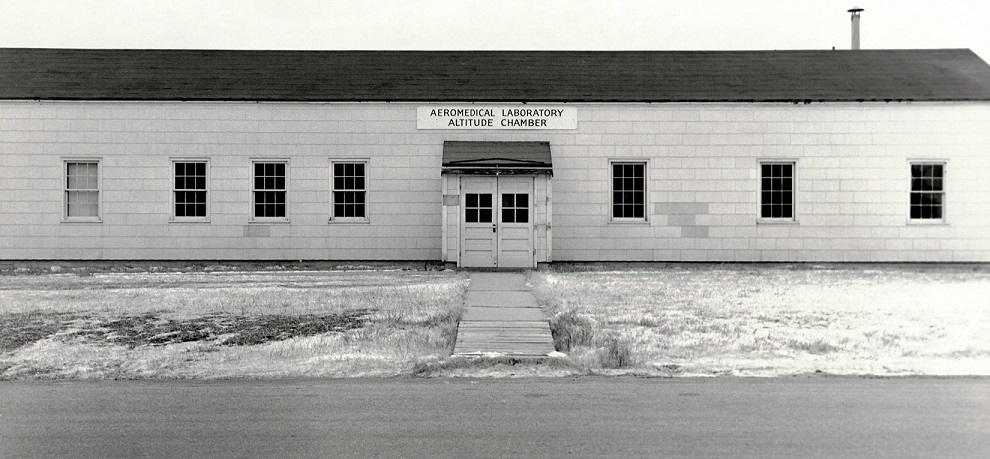
Also in 1963, the Civil Aeromedical Research Institute (CARI) building was dedicated and CARI transitioned to become the Civil Aeromedical Institute (CAMI).
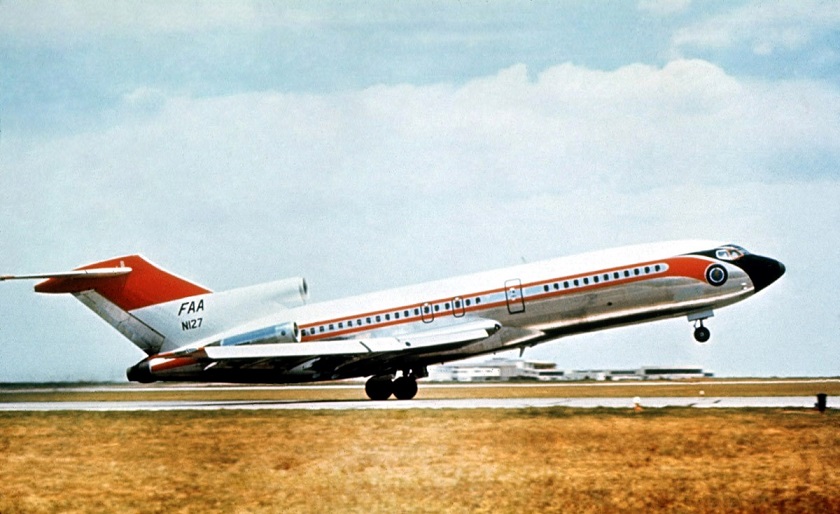
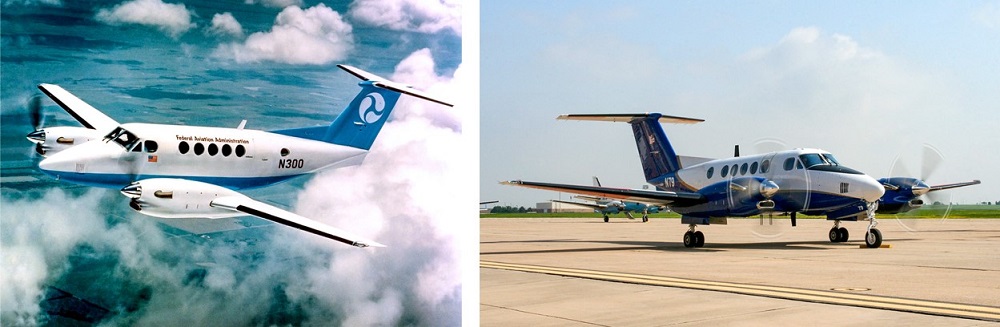
On February 9th, 1963, the Boeing 727 took to the skies for the first time. This new three-engine jet airliner of short/medium range transported a basic capacity of 94 passengers and a maximum capacity of 119. The FAA certified the aircraft in December of 1963. The plane entered scheduled airline service with Eastern Air Lines on February 1st of 1964, and quickly achieved worldwide popularity. By 1988, U.S. air carriers alone were operating 1,246 of the 727 jet airliners.The Beech King Air first flew on January 20th of 1964. This aircraft received type certification on May 19th of that same year, becoming the first U.S. light twin-engine turboprop business aircraft to be type-certificated. The King Air is still being used as one of MMAC’s trusty Flight Inspection aircraft today.
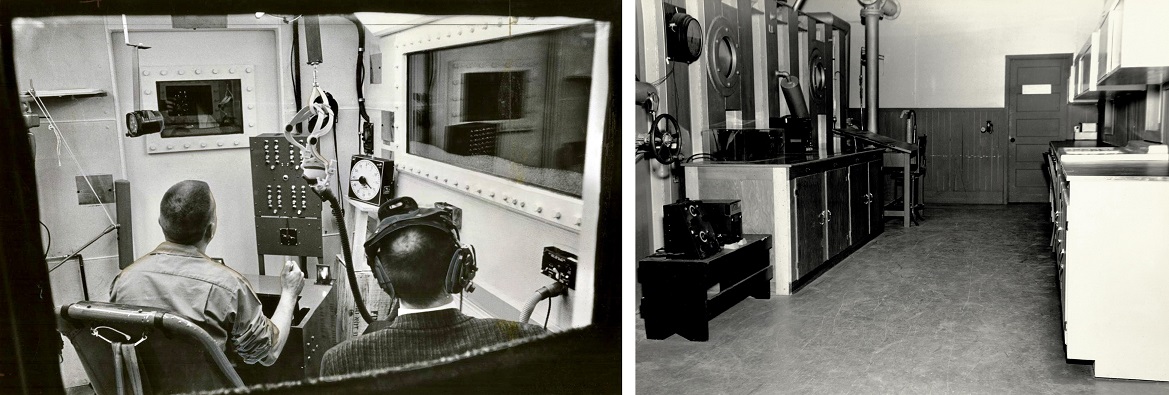
On February 3rd of 1964, a series of sonic boom studies began as the FAA launched a six-month project in Oklahoma City, Oklahoma, to test the public’s reaction to the phenomenon. Regularly scheduled overflights were made by supersonic Air Force jets, creating sonic booms that shook the city. On August 5th of that year, the National Academy of Sciences announced the establishment of a committee to study the effects of sonic booms in light of the development of supersonic transport aircraft. The results of the studies would be released in the next year.
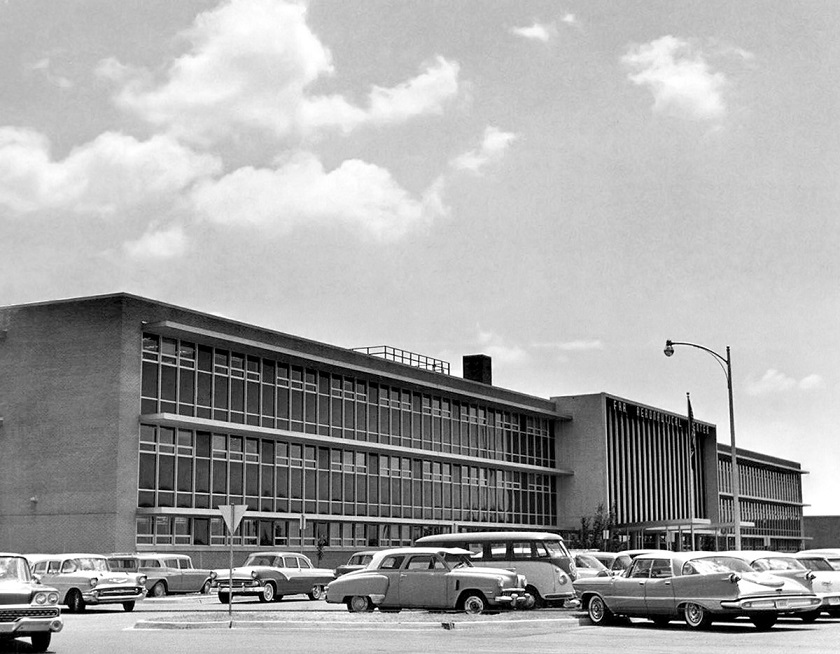
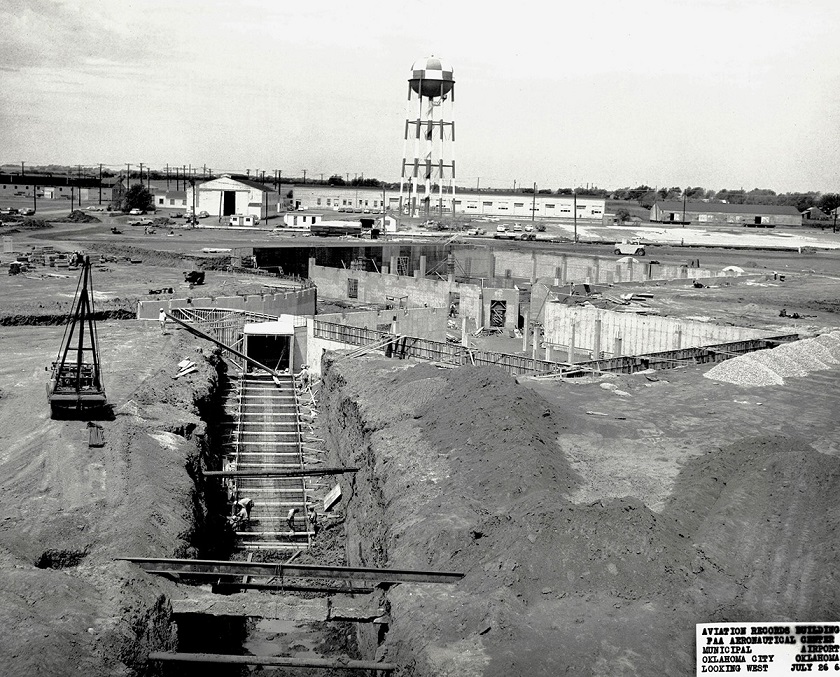
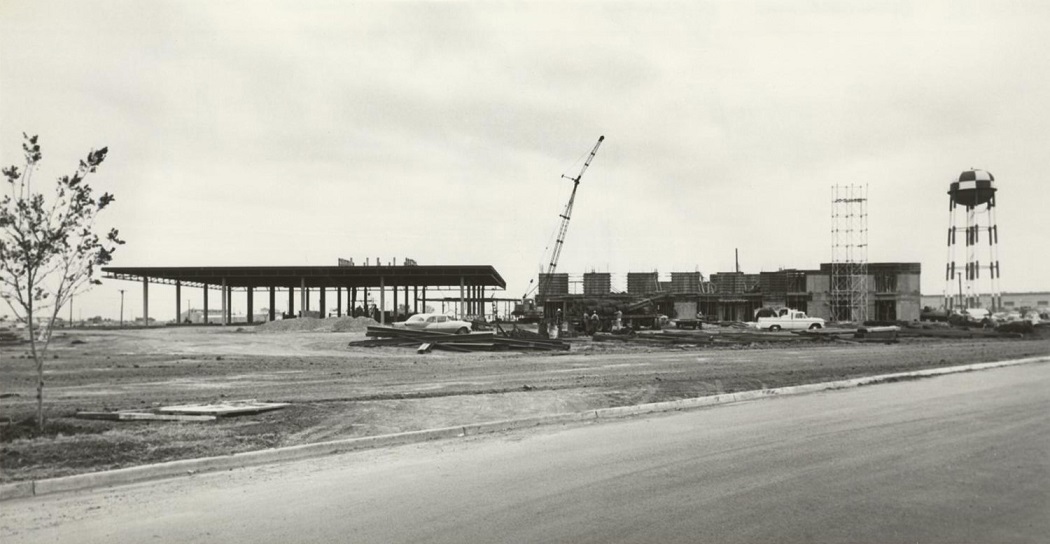
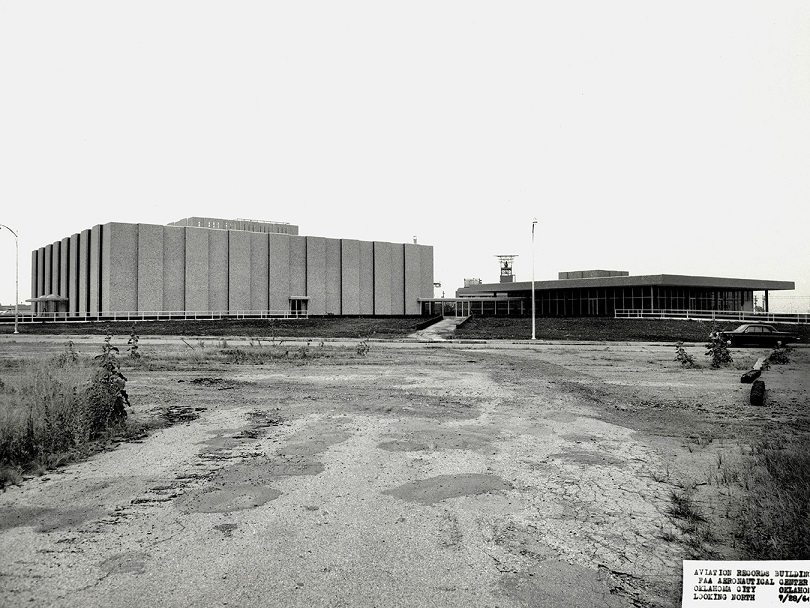
On October 18th of 1964, the FAA dedicated the Aviation Records Building as the newest structure on the Aeronautical Center. The facility would be conveniently connected to others via underground tunnels, which to this day provide shelter for employees in the case of severe weather.
On October 18th of 1964, the FAA dedicated the Aviation Records Building as the newest structure on the Aeronautical Center. The facility would be conveniently connected to others via underground tunnels, which provide shelter for employees in the case of severe weather to this day.
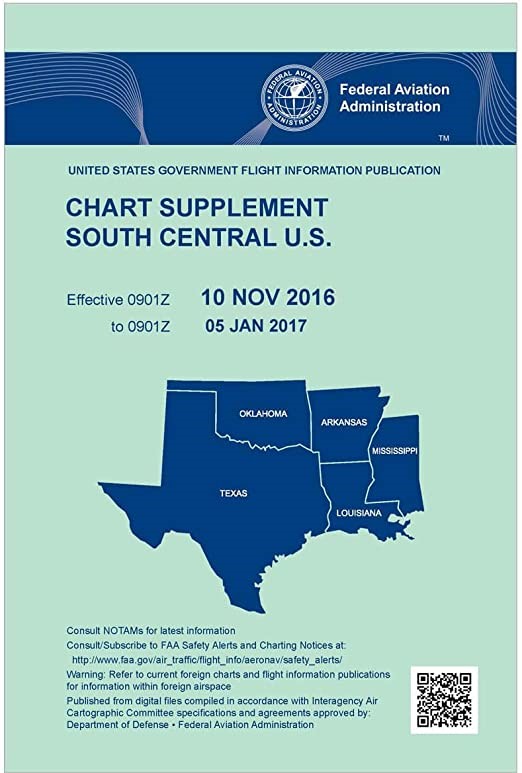
In December of 1964, the Airman's Information Manual (AIM) replaced three basic FAA flight information publications: the Airman's Guide, the Directory of Airports and Seaplane Bases, and the Flight Information Manual. The AIM was divided into five sections that were revised either monthly, quarterly, or semiannually. Later, Parts 2 and 3 became what are now known as the Airport/Facility Directory.
Parts 3 and 4 were also separated from the AIM and became known as Notices to Airmen (NOTAMs). The Part 1 data, concerning basic flight information and air traffic control procedures, continued to be issued as the AIM. On July 20th of 1995, the AIM’s title was changed to Aeronautical Information Manual. NOTAMs concern the establishment, condition, or change of any facility, service, procedure or hazard in the National Airspace System. These notifications help to protect and inform anyone who might be flying near new or temporary obstacles that have not yet been included in aeronautical publications. The NOTAM office is currently located on the Aeronautical Center and conducts 24/7 operations.
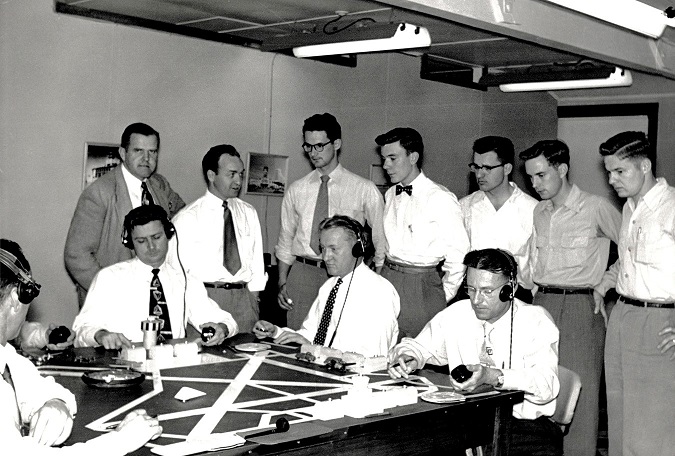
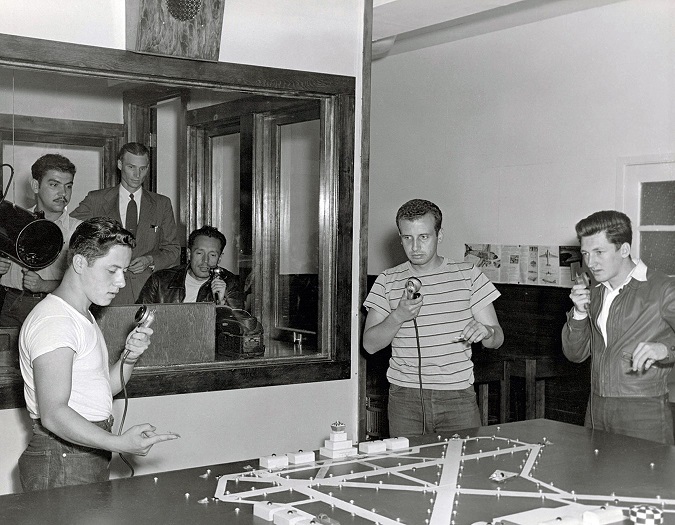
At the end of 1964, the FAA and DoD established an Air Traffic Controller Training Council to develop recommendations on joint and cooperative efforts by the two agencies in the training of civilian and military air traffic controllers. A secretariat representing both agencies was established at the FAA Academy in Oklahoma City.
In celebration of the Mike Monroney Aeronautical Center’s 75th Anniversary, we have prepared some trivia questions that will be featured monthly in each newsletter. Click here to participate for the May session. If you would like to be entered into a random drawing for an MMAC Commemorative T-shirt, please provide contact information within the online trivia session. Only one entry per person per month please. Drawings will be held in October, 2021. Drawing is open only to those employed, and physically working at the Aeronautical Center.