Watch a short video where FAA researcher Dr. Hilary Uyhelji discusses this fascinating work or listen to a segment of an audio interview to learn how this research advances aviation safety.
Ahhhh, sleep. It’s a universal human need, and if you’ve ever felt run down you might say you can’t put a price tag on a good night’s rest. Researchers from the FAA’s Functional Genomics team, part of Aviation Safety at the Civil Aviation Medical Institute (CAMI), are studying the impact of fatigue on aviation safety to better understand impacts and risks. This research is revolutionizing what we know and understand about fatigue, and could change how it is detected and managed, supporting the FAA’s safety mission.
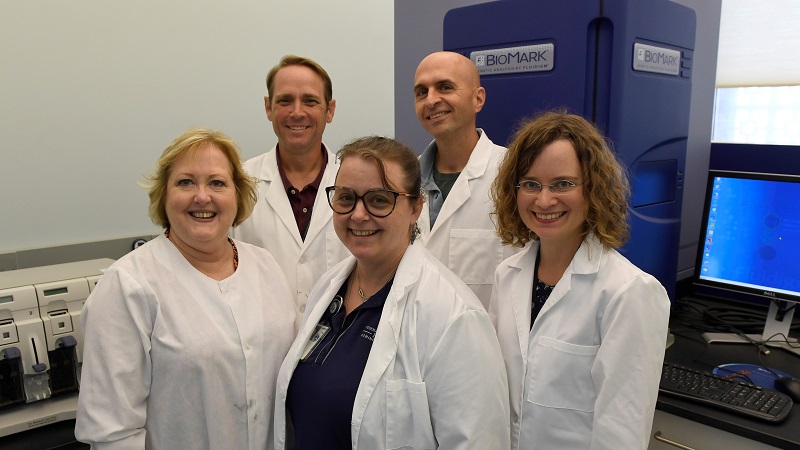
"The priority at the end of the day is saving lives," said Dr. Hilary A. Uyhelji, FAA’s Functional Genomics Research Team Coordinator. "Fatigue is a huge risk factor that practically every person can encounter and at some time or another may be involved in work where a fatiguing condition could be deadly or could result in serious injury to themselves or others. We are thrilled to work to better understand this risk. Without understanding, it’s very difficult to effectively manage. I think we have an opportunity to improve aviation safety and save lives by detecting this safety risk through a new approach."
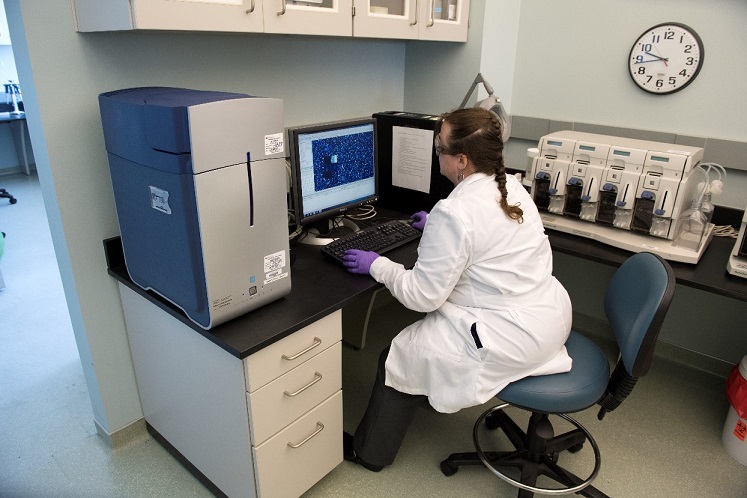
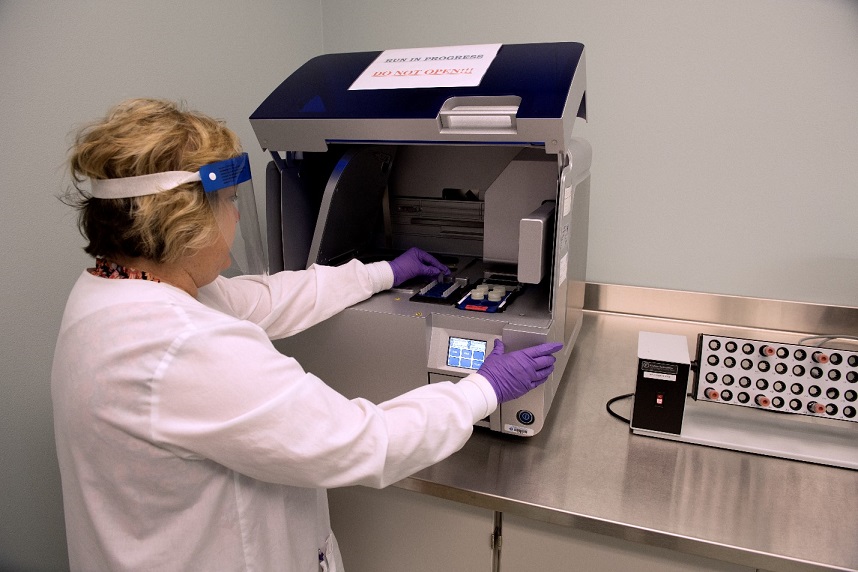
The FAA Functional Genomics Research team works to identify molecular signals of aviation safety risks. The team’s current focus is searching for blood-based genetic indicators, or biomarkers, useful in testing for fatigue-related performance impairment, which one day could lead to innovative approaches for fatigue risk management. For example, the team is working to develop a molecular tool to detect whether fatigue contributed to aviation accidents, analogous to developing a human flight data recorder to improve postmortem accident investigation.
Accident prevention is another application of the team’s work, using identified biomarkers to measure fatigue akin to the blood alcohol measurements used by law enforcement. Although the Functional Genomics team studies multiple kinds of biomarkers, they typically focus on more transient biomarkers such as ribonucleic acid (RNA). While deoxyribonucleic acid (DNA) is the genetic information we inherit from our parents, RNA is made from the DNA template as needed and then degrades. In this sense, theoretically, one day RNA biomarkers could be used to gauge if someone is fatigued on a given day and might benefit from a nap before their next work shift. Because people can be impacted by fatigue differently, FAA researchers are exploring the role RNA biomarkers play in these differences. The team has currently identified biomarkers that are candidates to predict performance deficits in response to sleep loss, and is working to validate these biomarkers through additional research.
"Some folks can have sleep loss and in some measurements have little to no impact on different aspects of performance," said Uyhelji. "Just like we have efforts for personalized medicine, we’re exploring whether we could use genomics for a more personalized fatigue risk strategy that takes into account your unique risk factors as an individual."
FAA researchers are currently conducting a large-scale study with experts at Brigham and Women’s Hospital to explore the impact on performance when sleep is reduced or mistimed. Taking extra precautions in the era of COVID-19, this research looks at subjects facing various fatigue scenarios.
"We anticipate that we will have a range of data in terms of cognitive or neurobehavioral performance indicators after this study," said Uyhelji. "We’ll better understand if our participants’ attention is affected, do they engage in risk-taking behavior, etcetera. So the molecular biomarkers help to not only understand if someone was sleep deprived but also to understand if they could experience salient performance impairments. At the end of the day it’s not whether you experience sleep loss but how it affects you, and in the case of safe operations you want to be thinking clearly."
As for how this research data could be applied, Uyhelji believes there are potential uses in post mortem accident investigations. When a fatal accident occurs, you would know what genes to measure to help understand if the victim was fatigue impaired. This research could also have preventative diagnostic applications, perhaps through a finger prick blood analysis to show whether a pilot is fatigued and could benefit from rest pre-flight.
"We really believe fatigue is a serious safety risk, not only in transportation, but think of all the medical workers working extended shifts in response to the pandemic," said Uyhelji. "Anyone in a safety critical operation has the potential to undergo sleep loss be it imposed by the job requirements or something at home. This is really important work and we are grateful to continue this research despite these challenging times."