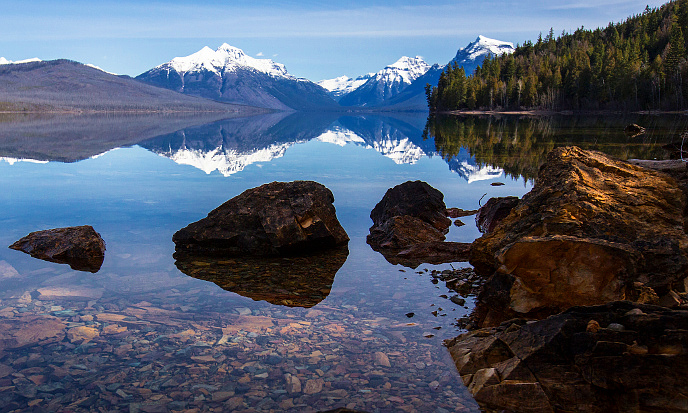
The centennial kick offs a second century of stewardship of America's national parks by engaging communities through recreation, conservation, and historic preservation programs. Most importantly, it’s about inviting everyone to visit a National Park. Everyone has a role to play in ensuring that future generations of Americans will be able to enjoy the thrilling experiences of nature and wildlife, history and culture, and the spirit of adventure that is waiting at every national park.
The National Parks are uniquely American. Take time to celebrate the visionaries who came before us with groundbreaking ideas – not only about preserving our nation's "crown jewels", but also extending the National Park Service’s mission to some of the nation’s other uniquely American treasures. The NPS manages a range of cultural sites including monuments, parkways, battlefields, cemeteries, and recreation areas. This rich variety has created a portfolio of over 390 parks, all with their own special contribution to the American story.
John Muir is the father of the National Park Service. He played many roles in his life, all of which helped him succeed in his role as an advocate for Nature. As America’s most famous naturalist and conservationist, Muir fought to protect the wild places he loved, places that can still be visited today. Muir’s writings convinced the U.S. government to protect Yosemite, Sequoia, Grand Canyon and Mt. Rainier as national parks.
"Only by going alone in silence, without baggage, can one truly get into the heart of the wilderness. All other travel is mere dust and hotels and baggage and chatter." –John Muir in a letter to his wife Louie in July 1888
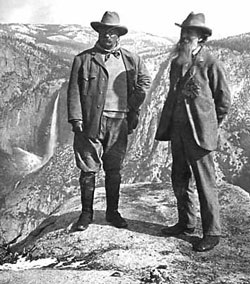
In 1903, President Theodore Roosevelt posed with John Muir for pictures on Overhanging Rock at the top of Glacier Point and camped in a hollow there to awake to five inches of snow, which delighted Roosevelt. Roosevelt had sent Muir a letter asking to meet him in Yosemite: “I want to drop politics absolutely for four days and just be out in the open with you.” At their meeting, Muir spoke of environmental degradation, like development, and asked for another layer of protection as a national park to improve management. Muir convinced both Roosevelt and California Governor George Pardee, on that excursion, to recede the state grant and make the Valley and the Mariposa Grove part of Yosemite National Park. This joining together of the 1864 state grant lands with the 1890 national park lands occurred during Roosevelt’s presidency in 1906.
Theodore Roosevelt was 42 when sworn in as President of the United States following the assassination of William McKinley. "It is a dreadful thing to come into the Presidency in this way; but it would be far worse to be morbid about it," Roosevelt said. "Here is the task, and I have got to do it to the best of my ability." In nearly two terms as President, Roosevelt pushed progressive reforms, advocated consumer protection laws and the regulation of big business, supported conservation of the environment, and asserted America’s authority abroad. In 1905, Roosevelt negotiated an end to the war between Russia and Japan. For this work, he was the first American and only sitting President to receive a Nobel Peace Prize.
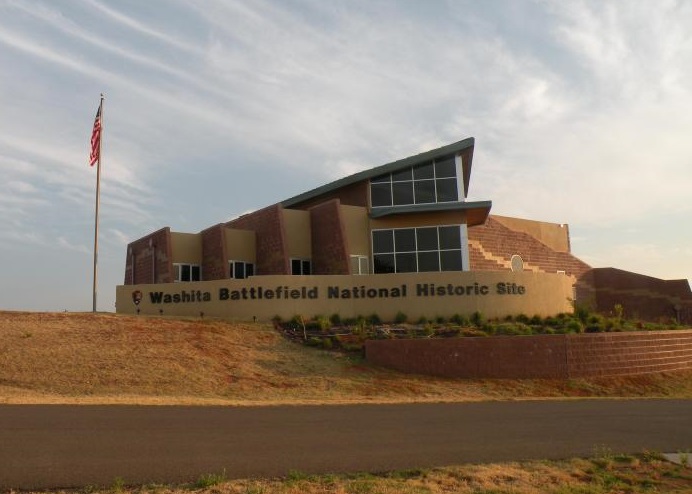
The National Park Service is one of the United States' leading agencies for history and culture. In addition to preserving important historic sites within national park boundaries, the National Park Service works beyond those boundaries to ensure that everyone's history is saved. Whether you desire to visit an iconic historical park, discover American stories, or find assistance to preserve the places that matter to you, the goal is to discover something new about history during your visit.
How Well Do You Know Your National Parks?
*affiliated with sites in other states